Winter is a cosy and fun season, right? The cold weather is comforting on many levels and there is a certain sense of joy in the air. But the truth is, it also brings some harsh physical and mental side effects. For many people, it’s the content feeling of fatigue and seasonal depression. Well, the truth is that the lack of sunlight on cold foggy mornings doesn’t just create a drab atmosphere, they also seem to make us feel dreary, low on energy and a lot more tired.
However, Winter Fatigue can easily be beaten with a healthy winter-time routine. Bear in mind, even as winter recedes and gives way to Spring, the change in weather can aggravate winter blues, tiredness and unpleasant feelings.
Here are 3 top ways to fight winter fatigue and add a spring to your step this chilly season.
Rabindranath Thakur dedicated his ” Purabi” to Vijaya which he called to Argentinean poet and columnist, Victoria Ocampo.
Rabindranath and Victoria Ocampo
In 1924, when Rabindranath Tagore fell ill en route to Peru, he was forced to disembark in Buenos Aires. This sudden break in the journey, opened a new vista for Tagore. He was to meet Victoria Ocampo with whom a new relation would open up soon. Victoria received Tagore and took him to her family estate at San Isidro in the suburbs of Buenos Aires. The poet spent the next two months recuperating in a garden villa overlooking the River Plate in San Isidro. Ocampo, then 34, was enamoured after reading Andre Gide’s French translation of Tagore’s Gitanjali. For her, Tagore was an idol. She looked after him with the diligence of a devoted admirer. It was during this time that the two authors, it is said, developed a very emotional but platonic relationship and started corresponding and exchanging gifts after they met.
Victoria Ocampo
It was a subtle affair, a platonic love, born on the banks of the river Plata.They spent together two unforgettable months in 1924 at the villa Miralrio of Victoria with a view of the river,in San Isidro on the outskirts of Buenos Aires. The river Plata was flowing quietly overhearing their light conversation and heavy breathing. The famous Tipa tree in the garden of the house was bending and crouching …listening to the silence of the couple who used to sit under its shade.He called his muse Bijaya ( victoria ).
One third of his Purabi poems are said to be inspired by this Argentine angel.
Here is a poem
” Exotic blossom, I whispered again in your ear
What is your language dear
you smiled and shook your head
and the leaves murmurred instead ”
Tagore in Argentina with Victoria Ocampo
He thought, “he had received ‘a woman’s love’, the kind of love he had been hoping for a long time to ‘deserve’ the love that alleviates a man’s inner loneliness and is like a’ supply of water’ in his journey across a desert.” This was reflected in his poem Shesh Basanth (the last spring) which he wrote on November 21 during his stay as the guest of Ocampo.
While walking on my solitary way
I met you at the dusk of nightfall
I was about to ask you take my hand
When I gazed at your face and was afraid.
For I saw there the glow of the fire that lay asleep
In the deep of your heart’s dark silence
The poet and the Vijaya
Ocampo appeared to be distinctly different from them because of her depth of thought, deep spiritual inclination and high level of intellectual capability that enabled her to understand Tagore much more closely than the other females Tagore had been in contact with. The feminine charms and affections of other females around him had certainly helped Tagore considerably to overcome loneliness and inspired him to go ahead with relentless creative activities, but none could give him the level of intellectual and spiritual satisfaction like Victoria Ocampo. The memory of her company at San Isidro, and continuous correspondence with her, went on inspiring Tagore to new levels of creative activities. Her memory was subtly reflected in many of Tagore’s poems written after his Argentine venture. In three poems (Atithi, Ashanka and Shesh Basanta), written later on, Tagore addressed Ocampo although her name was not explicitly mentioned.
Significance Of Banana Tree & Leaves In Hindu Culture
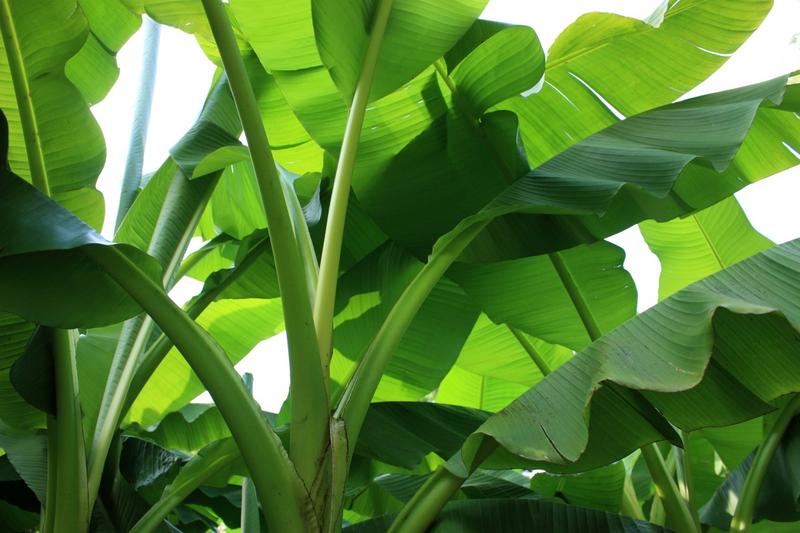
image:pixel/ The Banana Tree, Leaf and Fruits
Banana fruits are our daily consumed food. Our breakfast can not be fulfilled without this solid food. Not only we eat ripe banana, we also have it in our recipe. It’s green and unripe banana. This green banana is used only for cooking or boiling.
Botanically a banana is a berry. It’s an elongated, edible food item. Mainly it’s produced by several kinds of large flowering trees. In some countries, there are two kinds of bananas. One type of banana can be used for cooking. It may be called “plantains”.
The banana is variable in size, color, and firmness, but is usually elongated and curved. There is a condensed soft flesh rich in starch covered with a rind. The cover of the fruits may be green, yellow, red, purple, or brown when ripe.
The fruits grow upward in clusters near the top of the plant. Almost all modern edible seedless bananas come from two wild species – Musa acuminata and Musa Balbisiana.
The scientific names of most cultivated bananas are Musa acuminata and Musa balbisiana. There is another type of banana, that’s hybrid. The old scientific name for this hybrid, Musa sapientum, is no longer used.
Musa species are native to tropical Indomalaya and Australia. It’s likely to be the first domesticated in Papua New Guinea. They are probably now grown in 135 countries. It is largely in food and beverage companies primarily for their fruit. Moreover, it has an enormous demand to make fibre, wine, and banana beer. The world’s largest producers of bananas in 2022 are India and China, which together accounted for approximately 40% of total production.
Worldwide, there is no sharp distinction between “bananas” and “plantains”. Especially in the Americas and Europe, “banana” usually refers to soft, sweet, dessert bananas, particularly those of the Cavendish group. They are the main exports from banana-growing countries. In other regions, such as Southeast Asia, many more kinds of bananas are grown and eaten, so the binary distinction is not as useful and is not made in local languages.
THE BANANA AS A FOOD & NUTRITION
Bananas are a healthy source of fiber, potassium, vitamin B6, vitamin C, and various antioxidants and phytonutrients.
Many types and sizes exist. Their color usually ranges from green to yellow, but some varieties are red.
This article tells you everything you need to know about bananas.
The nutrition facts for 1 medium-sized banana (100 grams) are:
Calories: 89
Water: 75%
Protein: 1.1 grams
Carbs: 22.8 grams
Sugar: 12.2 grams
Fiber: 2.6 grams
Fat: 0.3 grams
Carbs
Bananas are a rich source of carbs, which occur mainly as starch in unripe bananas and sugars in ripe bananas.
The carb composition of bananas changes drastically during ripening.
The main component of unripe bananas is starch. Green bananas contain up to 80% starch measured in dry weight.
During ripening, the starch is converted into sugars and ends up being less than 1% when the banana is fully ripe .
The most common types of sugar in ripe bananas are sucrose, fructose, and glucose. In ripe bananas, the total sugar content can reach more than 16% of the fresh weight.
Bananas have a relatively low glycemic index (GI) of 42–58, depending on their ripeness. The GI is a measure of how quickly carbs in food enter your bloodstream and raise blood sugar .
Bananas’ high content of resistant starch and fiber explains their low GI.
Fibers
A high proportion of the starch in unripe bananas is resistant starch . It passes through your gut undigested.
In our large intestine, this starch is fermented by bacteria to form butyrate. a short-chain fatty acid that appears to have beneficial effects on gut health .
Bananas are also a good source of other types of fiber, such as pectin. Some of the pectin in bananas is water-soluble.
When bananas ripen, the proportion of water-soluble pectin increases, which is one of the main reasons why bananas turn soft as they age .
Both pectin and resistant starch moderate the rise in blood sugar after a meal.
Bananas are a good source of several vitamins and minerals, especially potassium, vitamin B6, and vitamin C .
Potassium. Bananas are a good source of potassium. A diet high in potassium can lower blood pressure in people with elevated levels and benefits heart health (6Trusted Source).
Vitamin B6. Bananas are high in vitamin B6. One medium-sized banana can provide up to 33% of the Daily Value (DV) of this vitamin.
Vitamin C. Like most fruit, bananas are a good source of vitamin C.
THE BANANA: TREE – LEAVES – FRUIT & HINDU CULTURE
Trees, plants and animals that exist in nature or constitute nature are worshipped with great devotion and sincerity according to Hindu mythology and belief. Trees are revered as God in Hinduism since ancient time. Each and every tree and animal is directly related to Hindu God or deities and are considered important for specific qualities. Like Tulsi, peepal, neem, aam, ashoka, bilvapatra, nariyal and many other that are prayed or used in puja or marriage ceremonies, banana plant is also worshipped in Indian culture.
Every part of the banana tree is significant whether its root, stem, fruit or leafs. Read the article to know why the banana tree is worshipped and know the significance of banana tree.
Though the banana tree is not a tree but is seen as one because of its structure and style. The sacred banana plant is regarded as God Brihaspati and is offered prayers for the welfare of the family.
The entire banana plant is considered sacred and it is known as ‘Kadali’ in the Sanskrit language. There are varied reasons why the banana leaves are considered holy in Hindu culture.
According to Hindu Mythology, Rishi Durvasa had cursed his wife as she interrupted his sleep. He cursed him to turn into a banana tree. Upon receiving the curse, she pleaded with her husband for a wish that she should be treated special and like a holy plant. Rishi Duravasa fulfilled her wish and since that day, the leaves of banana trees are considered auspicious and sacred in Hindu culture.
Significance of Banana tree in Hindu culture
There is a traditional custom in the Hindu religion to decorate the entrance of the marriage hall and the house of the bridegroom and bride with two banana trees. According to the belief, the tree symbolises that the married life of the couple would be evergreen and the relationship and love between them would be endless. The couple would be showered with all the prosperity of the world and with children.
According to the ancient scriptures of the Hindu religion, the tree is considered equivalent to ‘Devaguru or Brihaspati’. The belief is very prevalent and the individuals who can’t afford Yellow Sapphire gemstone can wear the root of the tree. Planting the tree at home is equivalent to having a Guru or Brihaspati at home.
The banana tree is devoutly religious which symbolizes Lord Vishnu and it should be worshipped every Thursday to avail the benefits of the planet Jupiter.
The banana fruit is offered as Prasad or Bhog to Lord Vishnu and Goddess Lakshmi. It is a belief that Vishnu and Lakshmi love the fruit and they bless devotees with a happy married life, good financial condition and happiness for the whole family.
During the Durga Puja, a grand festival of Bengalis, the form of the Goddess is created with banana plantain. This form of Goddess known as Kola Bou is considered the bride of Lord Ganesha. She is given a bath before evening and placed next to Lord Ganesha on the day of Maha Saptami.
In Hindu culture, a banana tree has a great significance. It is quite common to decorate homes with banana leaves on auspicious events, wedding ceremonies and other happy occasions. Besides, banana fruits are offered to deities.
There are many reasons for the importance of banana tree and its leaves. As per some legends, once Rishi Durvasa’s wife disturbed his sleep. Hence, Durvasa cursed her to turn into a banana tree. However, he granted her wish of treating banana tree as a sacred plant considering her request. It is believed that the tree is considered holy since then. Usage of banana leaves is mentioned in Vedic rituals. Hence, they are believed to be holy.
Here is the significance of banana leaves and tree:
Banana leaves are used to decorate the entrance of the wedding venue. A banana tree symbolises an everlasting relationship. Hence, wishing an evergreen relationship and love between the couple, these leaves are used for decoration.
It is also believed that Lord Ganesha is fond of banana leaves. Hence, these leaves are used during Ganapathi Puja.
Banana leaves are used to distribute Prasad in some temples.
Not just that, Goddess Durga is created with banana plantain during Durga Puja in Bengal.
The banana trunk represents luck and riches. That’s why it is used to decorate homes during festivals and other religious events.
As per some Puranas, the banana tree is treated as Brihaspati, the Guru of Gods. Hence, planting a banana tree at home is believed to fetch many benefits. Worshipping this tree on every Thursday is considered to get the benefits of Jupiter.
The tree also represents Lord Vishnu. Hence worshipping the tree and offering banana fruit as Prasad to Lord Vishnu and his consort Goddess Lakshmi is believed to please them. Devotees will be blessed with wealth, happiness and long marital bliss for this.
Banana leaf is used to distribute Prasad or Bhog to the devotees in temples. Banana fruits are offered to God and Goddesses as Naivedyam or Bhog.
The trunk of the tree denotes good luck and prosperity and so it is used for decoration during religious festivals or ceremonies in Hindu culture.
Lord Ganesh is fond of banana leaves and gets appeased by the offering of leaves during Ganpati puja.
A Banana leaf and fruits are offered to Lord Vishnu and Goddess Lakshmi as a religious offering.
The usage of the banana leaves is mentioned in all Vedic rituals as they are considered sacred in Hindu culture. The banana fruit is considered as the most energetic fruits and it is affordable for all
^“Banana facts & figures”. How is banana production cost structured?. fao.org. 2013. Archived from the original on July 18, 2019. Retrieved July 24, 2019.
^ Picq, Claudine & INIBAP, eds. (2000). Bananas (PDF) (English ed.). Montpellier: International Network for the Improvement of Banana and Plantains/International Plant Genetic Resources Institute. ISBN978-2-910810-37-5. Archived from the original (PDF) on April 11, 2013. Retrieved January 31, 2013.
Coconut is a multipurpose fruit and like banana, it’s known as a holy fruit in Hindu culture. Green unripe coconut with its branch is used on the Mangal Ghot during the worship of God or any Hindu ritual. On the other hand, Coconut is used not only as a fruits, it’s a multipurpose benefits viz. Coconut oil, coconut milk, as an ingredient in cuisine etc. The dry surface of coconut fruit is used to make various kinds of crafts.
Scientific Name & Origin
Coconut trees grow in tropical climates scientifically known as Cocos nucifera and are botanically considered a fruit.
Coconut water is the liquid found in the centre of a young, green coconut. It helps nourish the fruit. As the coconut matures, which takes around 10–12 months, some of the liquid remains while the rest ripens into the solid white flesh known as coconut meat.
The water of Coconut as Natural mineral :
Coconut water typically comes from young coconuts about 6–7 months of age, though it’s also found in mature fruit. An average green coconut provides about 1/2–1 cup of coconut water.
Coconut water contains 94% water and very little fat.
Summer is appearing as usual here in April and May. On a hot summer afternoon, the body goes out with the necessary water along with sweat while we are busy with our daily work. In that case, when the body is tired in extreme heat, only coconut water can give relief very quickly.
It is a completely natural drink. It does not contain any artificial colours, preservatives, or flavours. So compared to the artificial drinks available on the market, coconut water is very beneficial for health. There is nothing better than a glass of coconut water in the hot season. Not only this, there are so many benefits of drinking coconut water.
Coconut water is a very useful and popular drink. Rich in various natural enzymes and minerals. Coconut water contains carbohydrates, antioxidants, amino acids, vitamin B complex, vitamin C, iron, calcium, magnesium, manganese, sodium, potassium, and zinc which play a vital role in the formation of the body in many ways.
Benefits of Coconut Water –
As a Natural Mineral: Most of the health benefits of coconut water are due to its high levels of electrolytes, which include potassium, calcium and magnesium. For those who are low in these essential minerals, coconut water can be a healthy choice. For others, drinking coconut water isn’t likely to be more beneficial than drinking a glass of plain water.
2). Maintain Muscle Function
Potassium is an essential mineral and electrolyte that the human body needs for muscle function. One brand of coconut water analyzed by the USDA contained 401 milligrams of potassium in an eight-ounce serving. While other brands may differ on the exact level of potassium, coconut water is consistently a high source of this valuable nutrient. The level of potassium in coconut water is determined partly by the age of the coconut when the coconut water is extracted.
3) Immunity –
As coconut water has antiviral and antibacterial properties, coconut water helps in boosting the immunity of our body.
4) Eliminates dehydration in the body-
Excessive heat causes the body to lose the necessary water with sweat. Sometimes there is a lack of water in the body due to indigestion and vomiting. This results in problems like dehydration. Coconut water contains carbohydrates which increase energy and replenish water in the body.
5) Prevent Kidney Stone : Some studies have shown that coconut water helps prevent kidney stones.
Although plain water is a good choice, two small studies suggest that coconut water might be even better.
Kidney stones are created when calcium, oxalate, and other compounds combine to form crystals in your urine. These crystals can then form tiny stones. While some people are more susceptible than others, kidney stones affect about 12% of the world’s population (13).
In a 2013 study in rats with kidney stones, coconut water prevented crystals from sticking to the kidneys and other parts of the urinary tract. It also reduced the number of crystals formed in the urine .
In a study from 2018 that involved eight people, researchers found that coconut water increased the urination of potassium, chloride, and citrate in individuals without kidney stones, meaning coconut water might help flush out the system and keep the likelihood of stones low (15).
So consuming coconut water is considered low-risk, but if you have health conditions that require limiting potassium, sodium, or caloric intake, then coconut water may not be the right beverage for you.
For those with chronic kidney disease, potassium intake should be limited. An excessive quantity of potassium can lead to a condition called hyperkalemia, which is when there’s a dangerously high level of potassium in the blood.
6) Eliminates Stomach Problems –
Coconut water contains some natural enzymes which help in eliminating various stomach problems like diarrhea, constipation, etc. Not only this, in case of heartburn, coconut water gives immediate relief.
7) Eliminates the lack of minerals in the body –
Many people become deficient in potassium and sodium in the body. Coconut water is rich in potassium and sodium. So coconut water can eliminate the lack of all these minerals in the body.
8) Coconut water removes toxins from the body. As a result, the body stays healthy and fresh even during hot weather.
9) Helps to control weight –
Drinking coconut water fills the stomach for a long time and reduces the tendency of hunger. The result is less eating. It keeps the weight under control. Coconut water does not contain any fat, but it absorbs excess sugar from the body. As a result, diabetes is under control.
10) Coconut water is much more effective in controlling blood pressure. It contains magnesium, potassium, and vitamin C which regulate blood pressure. Coconut water contains potassium and magnesium, which keep the heart functioning properly and help maintain heart health.
11) Beneficial for the skin –
Coconut water is very beneficial for the skin. If you have acne, apply coconut water to it and you will get results very quickly. You can also use coconut water for your hands and nails.
12) Anti-ageing benefit
Coconut water has anti-ageing properties which remove skin blemishes and wrinkles and helps to keep the skin fresh.
13) There are about 19.2 milligrams of calcium in one cup of coconut water, according to a sample assessed by the USDA. Many people don’t consume the amount of calcium needed, and insufficient calcium levels can lead to issues such as low bone density, bone loss, and weaker bones that can break more easily.
Side Effects
Coconut water is LIKELY SAFE for most adults when consumed as a drink. There are no known serious side effects.
Coconut water is POSSIBLY SAFE for children.
Special Precautions & Warnings:
Pregnancy and breast-feeding: Not enough is known about the use of coconut water during pregnancy and breast-feeding. Stay on the safe side and avoid use.
High blood pressure: Coconut water might lower blood pressure. It can increase the effects of medications used to lower blood pressure. Discuss your use of coconut water with your healthcare provider if you have blood pressure problems.
Surgery: Coconut water might interfere with blood pressure control during and after surgery. Stop using coconut water at least two weeks before a scheduled surgery.
IN A NUTSHELL BENEFITS :
One cup (240 ml) contains 60 calories, as well as :
Carbs: 15 grams
Sugar: 8 grams
Calcium: 4% of the daily value (DV)
Magnesium: 4% of the DV
Phosphorus: 2% of the DV
Potassium: 15% of the DV
SUMMARY
Coconut water is the liquid found in young coconuts and a natural source of several important minerals.
Photo: Pexels.com/how to naturally overcome sleep apnea? /https://kalpatarurudra.org
Sleep Apnea
Apnea
We experience sometimes sleep apnea. Some people face sleeping disturbance during their night siesta. Sleep apnea is a serious sleep disorder in which the breathing repeatedly starts and stops.
Sleep Apnea
Sleep Apnea Treatment In Natural Ways
Sleep apnea syndrome (SAS) is a condition presenting with many pauses in breathing while a person is asleep. The condition was first described in the literature by Dickens in the Pickwick Papers and hence sometimes referred to as the Pickwickian syndrome.
A person has SAS if he stops breathing 5 or more times in 1 hour while asleep. Or, if he stops breathing 30 or more times during a 6-hour sleep period.
SAS Two Types: Central and Obstructive (OSAS)
In the central variety, the airways stay open, while the chest muscles and diaphragm stop working. This occurs mostly when the respiratory centers within the brain are impaired (as happens with drugs like heroin, and other opiates).
Premature children, persons on tranquilizers are more prone to CSAS. Obstructive sleep apnea is the most common category of sleep-disordered breathing. When sleeping, the muscle tone of the throat and neck, as well as the vast majority of all skeletal muscles, is reduced allowing the tongue and soft palate/oropharynx to relax. In the case of sleep apnea, this impedes the flow of air to a degree ranging from light snoring to complete collapse.
Conditions Associated with OSAS.
Enlarged tonsils or adenoids (EBV infections),
Left palate,
Downs syndrome,
Treacher Collins syndrome,
Pierre Robin Sequence etc.
Obesity.
Risk factors of SAS
Most adults with sleep apnea are obese, with particular heaviness on the face and neck.
Men are more often affected than women.
Children and toddlers with defects like Down syndrome, cleft palate, etc.
Sleep Deprivation due to Sleep Apnea and insufficient sleep are common and can present as insomnia, narcolepsy, or idiopathic hypersomnia (increased sleepiness).
Two big signs that you have it are: loud snoring and tiredness even after a night’s sleep. I have already told two main types of sleep apnea namely:
Obstructive sleep apnea –
Central sleep apnea –
There is also another kind of sleep apnea. It’s complex sleep apnea. What it is?
Complex sleep apnea syndrome – This is also known as treatment emergent central sleep apnea. It occurs when the person has both, obstructive sleep apnea and central sleep apnea.
Symptoms
Loud snoring
Times of breathing cessation during sleep
Sudden wakening, accompanied by shortness of breath
Waking up with a dry mouth or sore throat
Morning headache
Insomnia
Hypersomnia
Attention problems
Irritability
Lifestyle changes such as losing weight or quitting smoking or treating any nasal allergies will amend milder cases of sleep apnea. If symptoms persist then certain devices such as CPAP (continuous positive airway pressure) can help open up blocked air passages otherwise surgery may be necessary.
Why should choose for Homeopathy Treatment?
Homeopathy addresses all the symptoms and signs of sleep apnea comprehensively without the use of any harmful medicines or surgery. Positive Homeopathy has over the years treated numerous patients with sleep apnea successfully. If you have any of the above mentioned symptoms, please visit Positive Homeopathy.
If Ignored Where the disease may lead the patient to?
If left untreated, sleep apnea can result in a growing number of health problems, including: High blood pressure. Stroke. Heart failure, irregular heart beats, and heart attacks.
A growing body of research is finding a link between sleep disorders and weight gain. And it can be a vicious cycle. Insufficient sleep can lead to weight gain, which can lead to a serious problem called sleep apnea, which produces more sleep deprivation and more packing on of the pounds.
Can you have obstructive sleep apnea without snoring?
However many obstructive sleep apnea patients DO NOT SNORE. Snoring is only one sign of obstructive sleep apnea. In fact, if a long time snorer no longer snores, this may actually indicate that his or her obstructive sleep apnea has increased in severity in that there is now complete blockage of the airway.
Photo: Pexels.com/how to naturally overcome sleep apnea? /https://kalpatarurudra.org
Sleep Apnea
Apnea
We experience sometimes sleep apnea. Some people face sleeping disturbance during their night siesta. Sleep apnea is a serious sleep disorder in which the breathing repeatedly starts and stops.
Sleep Apnea
Sleep Apnea Treatment In Natural Ways
Sleep apnea syndrome (SAS) is a condition presenting with many pauses in breathing while a person is asleep. The condition was first described in the literature by Dickens in the Pickwick Papers and hence sometimes referred to as the Pickwickian syndrome.
A person has SAS if he stops breathing 5 or more times in 1 hour while asleep. Or, if he stops breathing 30 or more times during a 6-hour sleep period.
SAS Two Types: Central and Obstructive (OSAS)
In the central variety, the airways stay open, while the chest muscles and diaphragm stop working. This occurs mostly when the respiratory centers within the brain are impaired (as happens with drugs like heroin, and other opiates).
Premature children, persons on tranquilizers are more prone to CSAS. Obstructive sleep apnea is the most common category of sleep-disordered breathing. When sleeping, the muscle tone of the throat and neck, as well as the vast majority of all skeletal muscles, is reduced allowing the tongue and soft palate/oropharynx to relax. In the case of sleep apnea, this impedes the flow of air to a degree ranging from light snoring to complete collapse.
Conditions Associated with OSAS.
Enlarged tonsils or adenoids (EBV infections),
Left palate,
Downs syndrome,
Treacher Collins syndrome,
Pierre Robin Sequence etc.
Obesity.
Risk factors of SAS
Most adults with sleep apnea are obese, with particular heaviness on the face and neck.
Men are more often affected than women.
Children and toddlers with defects like Down syndrome, cleft palate, etc.
Sleep Deprivation due to Sleep Apnea and insufficient sleep are common and can present as insomnia, narcolepsy, or idiopathic hypersomnia (increased sleepiness).
Two big signs that you have it are: loud snoring and tiredness even after a night’s sleep. I have already told two main types of sleep apnea namely:
Obstructive sleep apnea –
Central sleep apnea –
There is also another kind of sleep apnea. It’s complex sleep apnea. What it is?
Complex sleep apnea syndrome – This is also known as treatment emergent central sleep apnea. It occurs when the person has both, obstructive sleep apnea and central sleep apnea.
Symptoms
Loud snoring
Times of breathing cessation during sleep
Sudden wakening, accompanied by shortness of breath
Waking up with a dry mouth or sore throat
Morning headache
Insomnia
Hypersomnia
Attention problems
Irritability
Lifestyle changes such as losing weight or quitting smoking or treating any nasal allergies will amend milder cases of sleep apnea. If symptoms persist then certain devices such as CPAP (continuous positive airway pressure) can help open up blocked air passages otherwise surgery may be necessary.
Why should choose for Homeopathy Treatment?
Homeopathy addresses all the symptoms and signs of sleep apnea comprehensively without the use of any harmful medicines or surgery. Positive Homeopathy has over the years treated numerous patients with sleep apnea successfully. If you have any of the above mentioned symptoms, please visit Positive Homeopathy.
If Ignored Where the disease may lead the patient to?
If left untreated, sleep apnea can result in a growing number of health problems, including: High blood pressure. Stroke. Heart failure, irregular heart beats, and heart attacks.
A growing body of research is finding a link between sleep disorders and weight gain. And it can be a vicious cycle. Insufficient sleep can lead to weight gain, which can lead to a serious problem called sleep apnea, which produces more sleep deprivation and more packing on of the pounds.
Can you have obstructive sleep apnea without snoring?
However many obstructive sleep apnea patients DO NOT SNORE. Snoring is only one sign of obstructive sleep apnea. In fact, if a long time snorer no longer snores, this may actually indicate that his or her obstructive sleep apnea has increased in severity in that there is now complete blockage of the airway.
Sleep apnea is a serious sleep disorder in which the breathing repeatedly starts and stops.
Sleep Apnea
Sleep Apnea Treatment In Natural Ways
Sleep apnea syndrome (SAS) is a condition presenting with many pauses in breathing while a person is asleep. The condition was first described in the literature by Dickens in the Pickwick Papers and hence sometimes referred to as the Pickwickian syndrome.
A person has SAS if he stops breathing 5 or more times in 1 hour while asleep. Or, if he stops breathing 30 or more times during a 6-hour sleep period.
SAS Two Types: Central and Obstructive (OSAS)
In the central variety, the airways stay open, while the chest muscles and diaphragm stop working. This occurs mostly when the respiratory centers within the brain are impaired (as happens with drugs like heroin, and other opiates).
Premature children, persons on tranquilizers are more prone to CSAS. Obstructive sleep apnea is the most common category of sleep-disordered breathing. When sleeping, the muscle tone of the throat and neck, as well as the vast majority of all skeletal muscles, is reduced allowing the tongue and soft palate/oropharynx to relax. In the case of sleep apnea, this impedes the flow of air to a degree ranging from light snoring to complete collapse.
Conditions Associated with OSAS.
Enlarged tonsils or adenoids (EBV infections),
Left palate,
Downs syndrome,
Treacher Collins syndrome,
Pierre Robin Sequence etc.
Obesity.
Risk factors of SAS
Most adults with sleep apnea are obese, with particular heaviness on the face and neck.
Men are more often affected than women.
Children and toddlers with defects like Down syndrome, cleft palate, etc.
Sleep Deprivation due to Sleep Apnea and insufficient sleep are common and can present as insomnia, narcolepsy, or idiopathic hypersomnia (increased sleepiness).
Two big signs that you have it are: loud snoring and tiredness even after a night’s sleep. I have already told two main types of sleep apnea namely:
Obstructive sleep apnea –
Central sleep apnea –
There is also another kind of sleep apnea. It’s complex sleep apnea. What it is?
Complex sleep apnea syndrome – This is also known as treatment emergent central sleep apnea. It occurs when the person has both, obstructive sleep apnea and central sleep apnea.
Symptoms
Loud snoring
Times of breathing cessation during sleep
Sudden wakening, accompanied by shortness of breath
Waking up with a dry mouth or sore throat
Morning headache
Insomnia
Hypersomnia
Attention problems
Irritability
Lifestyle changes such as losing weight or quitting smoking or treating any nasal allergies will amend milder cases of sleep apnea. If symptoms persist then certain devices such as CPAP (continuous positive airway pressure) can help open up blocked air passages otherwise surgery may be necessary.
Why should choose for Homeopathy Treatment?
Homeopathy addresses all the symptoms and signs of sleep apnea comprehensively without the use of any harmful medicines or surgery. Positive Homeopathy has over the years treated numerous patients with sleep apnea successfully. If you have any of the above mentioned symptoms, please visit Positive Homeopathy.
If Ignored Where the disease may lead the patient to?
If left untreated, sleep apnea can result in a growing number of health problems, including: High blood pressure. Stroke. Heart failure, irregular heart beats, and heart attacks.
A growing body of research is finding a link between sleep disorders and weight gain. And it can be a vicious cycle. Insufficient sleep can lead to weight gain, which can lead to a serious problem called sleep apnea, which produces more sleep deprivation and more packing on of the pounds.
Can you have obstructive sleep apnea without snoring?
However many obstructive sleep apnea patients DO NOT SNORE. Snoring is only one sign of obstructive sleep apnea. In fact, if a long time snorer no longer snores, this may actually indicate that his or her obstructive sleep apnea has increased in severity in that there is now complete blockage of the airway.
We need food for our health. We spend lots of money to grab food and nutrition. But actually, most of us are not sure what to eat and whatnot. To achieve sound health, we need proteins, vitamins, minerals and other supplements. However, we are ignorant about the actual amounts of these vitamins, and proteins to be taken. Moreover, It depends on the individual requirements of one’s body.
On the other hand, hundreds of supplements available in the market, and it’s hard to believe that not every nutrient in whole foods has been captured in a capsule. That’s why eating a variety of healthy foods is the best way to meet your health needs.
But if you’re low on a certain vitamin or mineral, or just want to cover all bases with a daily multivitamin/mineral, these tips will help you get the most from it.
We are not sure about the exact time to have these vitamins and minerals. Whether it’s to be taken on an empty stomach or with food, it’s a confirmed doubt of the most people. So I will try to remove this doubt here.
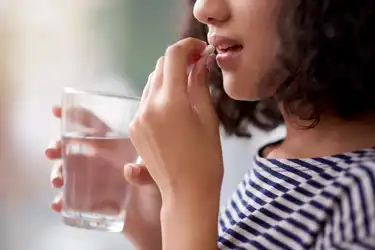
You can take your Multivitamins any time you’d like. Your body absorbs some of its vitamins better with food, so you may want to take it with a meal or a snack.
You’ll also avoid the upset stomach that you can get when you take it on an empty stomach. So it’s better to have breakfast and after that, you take the vitamins with water. Or have it with lunch or even dinner.
There is no hard and fast rule to taking water-soluble vitamins. You can start to have these vitamins at any time and for a long time.
I think it has no restrictions for continuation. You might ask me, “why?” Because water dissolves these vitamins, and your body doesn’t store them. Therefore, most of them must be taken every day.
Which Vitamins Should We Take? These are include C and the B’s: thiamin (B1), riboflavin (B2), niacin (B3), pantothenic acid (B5), pyridoxine (B6), biotin (B7), folic acid (B9), and cobalamin (B12).
You have to take them with or without food, with one exception: You’ll absorb B12 better with a meal. If you also use vitamin C, put 2 hours between them. Vitamin C can keep your body from using B12.
Now it’s about fat-soluble. How can we get it? And how much?
Vitamins A, D, E, and K need to go with fat from a meal for your body to absorb and use them. But you don’t need a lot of fat — or any saturated fat. The healthy plant-based kind you find in foods like avocado or nuts will do just fine.
Iron is a great source of blood. Without it, we are to face anaemia. It’s the source of oxygen also. Generally most of young women suffer from it. So they need lots of iron to resist the anaemic condition. But when do you take it?
You can absorb iron best on an empty stomach. Take it with water or, better yet, a citrus juice: Iron and vitamin C have a tag-team effect. If it makes you queasy, save it for right after a meal. But don’t mix it with calcium or high-calcium foods — these interfere with iron. You won’t take in either one fully.
But men and postmenopausal women should skip supplements with this mineral unless a doctor says otherwise. The average Multivitamin has more than you need.
Mineral supplements can improve your general health. But there is some restrictions. You can take it large doses.
Large doses of minerals can compete with each other to be absorbed. But you should not use calcium, zinc, or magnesium supplements at the same time.
Besides, these three minerals are easier on your tummy when you take them with food. Therefore, if your doctor recommends them, have them at different meals or snacks. Don’t take any individual mineral at the same time as an MVM or an antioxidant vitamin formula, like one with beta-carotene and lycopene.
If you’re pregnant, doses over 10,000 IU a day can cause birth defects. High levels of both A and the usually safe beta-carotene may raise your chances of having lung cancer if you’re a smoker.
We need folic acid other than iron supplements. Especially, the newborn baby needs both folic acid and iron. Even
Extra folic acid and iron are very important for a healthy baby. They can be found in most prenatal vitamins.
But you should be alert that some prenatal vitamins can make nausea worse, mostly because of the iron. If this happens to you, pair your prenatal vitamins with a light snack before you go to bed.
Moreover, there might be some interference between the medication and Vitamin K , Calcium, magnesium and Vitamin E. So take care of it.
Some essential nutrients can interfere with many common medications. If you take a traditional blood thinner like warfarin, just the small amount of vitamin K in an MVM can cut its strength. Taking more than 1,000 mg of vitamin E per day can raise your risk for bleeding.
On the other hand, if you take thyroid medication, taking calcium, magnesium, or iron within 4 hours can cut its strength. Ask your doctor about how best to time it.
Your Daily Amounts?
What should be your daily dose?
Your recommended daily allowance is the daily amount of a nutrient you should get, based on sex and age. DV (daily value) is the percentage of a nutrient that a supplement or food serving adds to the average daily diet for all ages. Upper limit is the most of a nutrient you should get in a day. Side effects from big doses range from tiredness or diarrhea to kidney stones or organ damage. So be cautious.
What’s Inside : Scan It
We have to learn, research and calculate how many nutrients, calcium, magnesium, folic acid and vitamins and minerals supplements are perfect for yourself? Previously I have been told that it depends on individual requirements.
Hence, there’s no one standard MVM formula. Some have more nutrients than recommended. Others may come up short on some RDAs.
For instance, the amount of calcium you need to meet the RDA is too much to fit into a tablet that you could easily swallow. Scan the full ingredients list so you know exactly what’s in the supplement you’re considering. This will also help you know if you need to time when you take it. So you have to be learnt all these ingredients properly.
Make Personalize Your Own Requirements
How much you need to have nutrients?
It’s a great way to select nutrients you need is to shop for formulas geared to your age and sex. For example, many vitamins for seniors have more calcium and vitamins D and B12 than younger people need.
So as you get older, your body doesn’t do as good a job of absorbing B12. Women in particular often need extra calcium and vitamin D after menopause to protect bones.
Which is Best? Tablets or Gummies?
There is a mix of Opinions about gummy vitamins. One study found that people who take vitamin D in the gummy form get more from it than from a tablet. On the other hand, gummies can have a lot of sugar and calories. And because they taste like candy, it’s easy to go overboard and eat too many. They may even cause cavities. So choose according to your taste.
Look for Quality Checks
Always remember that before purchasing any supplements you should read seriously the ingredients on the box. Whether it’s manufactured by authentic pharmacological company or not. There is no restrictions to manufacture it. So take care of it.
Keep a Supplement Journal
If you keep a log, it can help you time out different supplements and keep track of how much you take every day. You should keep all your medical records in a place that you can use it in need.
I think it would be a good idea for you all. Please inform me your suggestions that I can elaborate it with more resources. Thank you. Good luck











 Rudra's Blog
You must be logged in to post a comment.